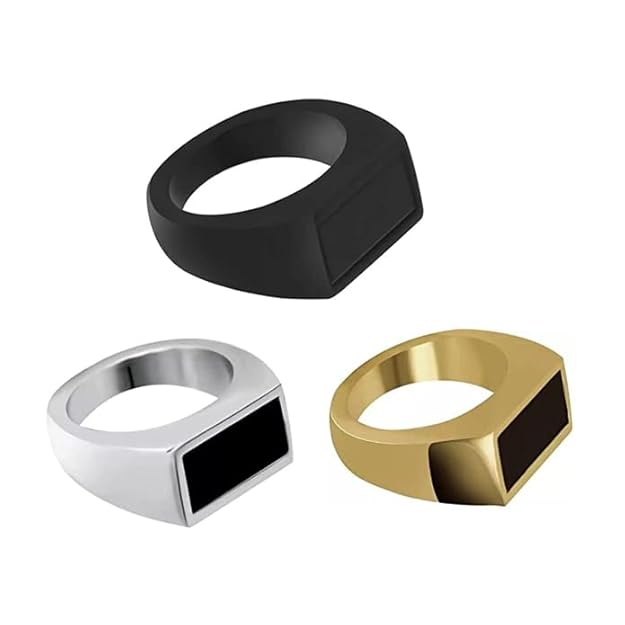
ring for fingers
Ring size
9
Material type
Metal
Metal type
Alloy
Gem type
No Gemstone
Occasion type
Birthday
Item type name
Rings
Country of Origin
China
Original price was: ₹630.00.₹219.00Current price is: ₹219.00.
Rings are among the oldest and most enduring forms of jewelry, adorning human fingers for thousands of years. A ring for fingers is much more than a decorative accessory; it symbolizes commitment, power, status, and personal identity. Whether worn as a simple band, a statement piece, or an intricately designed heirloom, rings captivate with their ability to blend artistry, culture, and emotion.
This comprehensive description explores every aspect of rings — their history, materials, craftsmanship, styles, cultural significance, and how to wear and care for them. Whether you seek to understand the meaning behind your favorite ring or want to choose the perfect one, this guide illuminates the timeless allure of rings for fingers.
The tradition of wearing rings dates back to ancient civilizations. Archaeological finds suggest that rings were worn by Egyptians, Romans, Greeks, and other cultures as symbols of power, wealth, and spiritual protection.
Ancient Egypt: Rings symbolized eternity, often crafted with hieroglyphics or scarab beetles.
Rome and Greece: Rings marked social status, citizenship, and family lineage.
Middle Ages: Rings evolved into symbols of loyalty and marriage. ring for fingers
Rings have represented different things across cultures:
Wedding and Engagement Rings: Tokens of love and lifelong commitment.
Signet Rings: Markers of identity and authority, often engraved with family crests.
Religious Rings: Symbols of faith and protection.
Fashion Rings: Expressions of style and personality. ring for fingers
Understanding a ring’s components helps appreciate its design and function.
Band: The circular part that encircles the finger.
Setting: The portion holding gemstones or decorative elements.
Shank: The part of the band that touches the finger.
Shoulders: The area near the setting that often widens or narrows.
Gallery: The side view detailing beneath the setting.
Prongs: Metal claws holding gemstones in place.
Bezel: A metal rim encircling a gemstone.
Engraving: Decorative or symbolic inscriptions inside or outside. ring for fingers
Gold: The most popular metal, valued for its color, malleability, and durability. Available in 24K (pure), 18K, 14K, and 10K alloys, and in yellow, white, and rose gold varieties.
Silver: Affordable and lustrous, often alloyed for strength.
Platinum: Rare, dense, and hypoallergenic, platinum offers unmatched durability and a natural white sheen.
Palladium: A lighter alternative to platinum, with similar properties.
Titanium and Tungsten: Modern, industrial metals known for strength and scratch resistance.
Rings often feature precious or semi-precious stones to enhance beauty and meaning. ring for fingers
Diamonds: Symbolizing eternity and strength.
Rubies: Representing passion and vitality.
Sapphires: Signifying wisdom and royalty.
Emeralds: Symbols of rebirth and prosperity.
Other Stones: Amethyst, topaz, garnet, and many more for unique color and symbolism. ring for fingers
Classic solitaires with single diamonds.
Halo settings with diamonds surrounding the center stone.
Three-stone rings symbolizing past, present, and future.
Bold designs with large stones or artistic metalwork.
Cocktail rings worn for special occasions.
Stackable rings for mixing and matching.
Traditionally engraved with family crests or initials, these rings express heritage and authority.
Bands set continuously with stones around the entire circumference, symbolizing infinite love.
From concept sketches to CAD (computer-aided design), jewelry designers blend creativity with precision. ring for fingers
Prong Setting: Classic and secure.
Bezel Setting: Sleek and protective.
Channel Setting: Stones set flush between metal walls.
Pavé Setting: Tiny stones closely set for sparkle.
Polishing for shine.
Engraving for personalization.
Texturing for unique appeal.
ring for fingers
Western Cultures: Engagement and wedding rings symbolize love.
Indian Culture: Rings signify marital status and family.
Middle Eastern Traditions: Rings denote social status and faith.
African and Indigenous Cultures: Rings often carry spiritual or tribal significance. ring for fingers
Rings serve as reminders of milestones, promises, and personal achievements.
Consider finger shape and size.
Match metal and gemstone with skin tone.
Choose a style that fits lifestyle and personality.
Balance budget with desired quality and design.
Minimalist rings for daily wear.
Bold rings for social events.
Mixing metals and stacking rings for modern trends. ring for fingers
Pairing with other jewelry.
Regular cleaning with mild soap.
Avoiding harsh chemicals.
Professional inspections and maintenance.
Safe storage to avoid scratches and damage.
From the moment humans first fashioned loops of metal or woven materials around their fingers, rings have held a special place in personal adornment. They are at once intimate and visible — constant companions that tell stories of love, status, tradition, and artistry.
Whether it’s the simple gold band exchanged between partners, a boldly jeweled statement piece, or a family heirloom worn with pride, rings have transcended cultures and eras to become timeless symbols of identity and expression.
This exhaustive exploration delves into the multifaceted world of rings for fingers — exploring their rich history, the artistry behind their creation, the materials and designs used, the deep meanings they carry, and how they fit into contemporary fashion and personal narratives. ring for fingers
The earliest rings date back over 5000 years to Mesopotamia and Ancient Egypt. Crafted from bone, wood, and early metals, these rings were not merely decorative but held spiritual and social significance.
Egypt: Rings fashioned in gold and adorned with symbols like the Ankh or scarab beetle represented eternal life and protection. The circle itself, with no beginning or end, symbolized infinity and the divine.
Mesopotamia: Signet rings with carved seals authenticated documents and signified authority.
Ancient Greece and Rome: Rings were worn to symbolize social status, with emperors and senators displaying intricate designs and gemstones. Engagement rings traced back to Roman customs, where iron rings symbolized strength and permanence.
ring for fingers
During the Middle Ages, rings evolved into potent symbols of loyalty and allegiance. They were often used as seals and displayed intricate heraldry.
Posy Rings: Engraved with romantic verses, these rings became tokens of love and promise in the Renaissance era.
Cameo Rings: Popular in the Renaissance and Victorian periods, carved stone or shell portraits adorned rings, blending art with personal symbolism. ring for fingers
The Industrial Revolution brought mass production, making rings accessible beyond the aristocracy.
Art Nouveau and Art Deco: Movements that celebrated intricate, nature-inspired designs or geometric precision impacted ring styles.
Today, rings merge traditional craftsmanship with technological innovation, including 3D printing, custom engraving, and ethical sourcing.
Understanding the parts of a ring enriches appreciation for its design and durability.
Band: The circular base that wraps around the finger; thickness and width vary widely.
Setting: Holds gemstones securely; its design affects both aesthetics and wearability.
Shank: The part of the band under the finger. ring for fingers
Head: The upper part where stones or decorations are mounted.
Gallery: The space beneath the setting; often sculpted for comfort and style.
Prongs, Bezels, Channels: Methods for securing stones, each with benefits in durability and appearance.
The making of rings combines art and science:
Wax Carving and Lost Wax Casting: Allows intricate, precise shapes.
Hand Fabrication: Skilled jewelers shape metal by hand for bespoke designs.
Stone Setting: Requires precision to ensure stones are secure and beautifully displayed.
Engraving: From delicate initials to complex patterns, engraving personalizes rings.
Finishing: Polishing, texturing (hammered, brushed, matte), and plating refine the look.
Gold: The quintessential metal for rings. Its natural beauty, malleability, and resistance to corrosion make it ideal. Available in karats (10K, 14K, 18K, 22K, 24K), it comes in colors like yellow, white, rose, and green gold.
Platinum: A dense, silvery-white metal prized for its strength and rarity. Hypoallergenic and heavy, it symbolizes luxury.
Silver: More affordable, silver offers bright shine but requires care to prevent tarnish. ring for fingers
Alternative Metals: Titanium, tungsten, stainless steel, and cobalt chrome offer durability and modern aesthetics, especially in men’s rings.
Diamonds: The hardest natural substance, diamonds symbolize purity, strength, and eternal love. Cut, clarity, color, and carat define their value.
Colored Gemstones: Sapphires, rubies, emeralds, and more infuse rings with vibrant personality and symbolism.
Synthetic and Treated Stones: Lab-grown gems offer ethical, affordable alternatives without sacrificing beauty.
Solitaire: Classic single stone showcasing brilliance.
Halo: Center stone surrounded by smaller diamonds enhancing sparkle.
Three-Stone: Symbolizing past, present, and future.
Eternity Bands: Stones encircle the entire band, signifying infinite love. ring for fingers
From cocktail rings featuring oversized gems to minimalist stacking bands, these rings are expressions of style and mood.
Stackable Rings: Thin bands worn together for a personalized layered look.
Artisan Rings: Handmade, unique pieces often featuring nature-inspired or abstract designs.
Traditionally engraved with family crests or initials, these rings convey lineage and identity.
Mood Rings: Changing color with temperature to reflect emotions. ring for fingers Spinner Rings: With a movable outer band for relaxation.
Rings have long symbolized love, loyalty, and promise. From the Roman tradition of betrothal rings to the modern engagement ring, the circle represents unending commitment.
Signet rings and rings worn by royalty and clergy denote authority and rank.
Certain cultures attribute protective powers to rings, using symbols, stones, and metals believed to ward off evil or bring fortune. ring for fingers
Ring design can enhance finger appearance; slender bands elongate, wider bands add boldness.
Warm skin tones: Complement yellow and rose gold.
Cool skin tones: Pair well with white gold, platinum, and silver.
Durability and comfort are key for everyday wear; heavier, intricate rings may suit occasional use. ring for fingers
Mixing delicate bands and stacking rings is a contemporary trend allowing customization and versatility.
Combining gold, silver, and rose gold creates dynamic looks breaking traditional rules.
Harmonizing rings with necklaces, bracelets, and earrings completes style narratives.
Soak in mild soap solution.
ring for fingers
Use soft brushes for dirt removal.
Avoid abrasive chemicals and ultrasonic cleaners on fragile stones.
Keep rings in individual compartments or soft pouches.
Periodic jeweler check-ups ensure settings are secure and metal is intact. ring for fingers
Consumers increasingly demand ethically sourced metals and conflict-free stones. Sustainable jewelry brands prioritize environmental responsibility, recycling metals, and supporting fair labor.
Technological advancements like 3D printing allow intricate, customized designs. Smart rings with embedded technology are emerging, combining fashion with function.
Rings for fingers are not mere adornments but profound vessels of culture, art, and emotion. Their enduring appeal lies in their ability to ring for fingers
Few adornments have such a timeless, universal appeal as the ring. A simple circle worn on the finger can express identity, allegiance, love, power, and beauty simultaneously. Through thousands of years, rings have evolved from practical tokens of social order to intricate works of art, each piece telling a unique story of culture, emotion, and craftsmanship.
This comprehensive guide journeys through every facet of rings for fingers, inviting you to explore their ancient origins, material wonders, design innovations, symbolic meanings, styling possibilities, and future horizons.
Few adornments have such a timeless, universal appeal as the ring. A simple circle worn on the finger can express identity, allegiance, love, power, and beauty simultaneously. Through thousands of years, rings have evolved from practical tokens of social order to intricate works of art, each piece telling a unique story of culture, emotion, and craftsmanship.
This comprehensive guide journeys through every facet of rings for fingers, inviting you to explore their ancient origins, material wonders, design innovations, symbolic meanings, styling possibilities, and future horizons. ring for fingers
The story begins in the prehistoric era, where rings were crafted from natural materials such as bone, wood, shells, and stones. Early humans sought to adorn their bodies, often imbuing these objects with spiritual or tribal significance.
Archaeological discoveries in Mesopotamia reveal rings dating back over 5000 years, some made of precious metals like gold and copper.
In Ancient Egypt, the earliest gold rings were associated with power and divine protection. Pharaohs wore rings engraved with hieroglyphics that symbolized their reign and connection to the gods. ring for fingers
The Greeks and Romans elevated ring making to an art form. Rings signified social class, citizenship, and personal identity.
The Roman signet ring served as a personal seal for official documents, often featuring family crests or emblems.
Engagement rings, introduced in Roman times, initially used iron bands symbolizing strength and durability.
Greek rings frequently featured mythological scenes or images of gods and heroes. ring for fingers
During the Middle Ages, rings continued to serve as powerful social and religious symbols.
The Posy ring, inscribed with romantic poetry, became a popular love token. ring for fingers Clerical rings signified ecclesiastical authority.
Renaissance rings showcased artistic flourishes with cameos, enameling, and intricate metalwork.
The Industrial Revolution democratized jewelry making, making rings accessible to wider populations.
Victorian rings often featured symbolic motifs like hearts, snakes, and flowers.
The Art Nouveau movement introduced organic, flowing designs inspired by nature.
Today, rings blend tradition with technology, offering custom designs, lab-grown gems, and sustainable materials.
Gold’s chemical symbol Au comes from the Latin aurum, meaning “shining dawn.”
Its malleability makes it ideal for intricate ring designs.
Colors: Yellow (natural alloy with copper/silver), White (plated with rhodium or alloyed with palladium), Rose (high copper content).
Symbolism: wealth, power, eternity. ring for fingers
Rare and dense, platinum is nearly twice as heavy as gold.
Highly resistant to tarnish and hypoallergenic.
Associated with luxury and permanence.
Known for its bright, reflective finish but prone to tarnish.
Sterling silver (92.5% silver) is standard in jewelry.
Symbolizes clarity, moonlight, and protection.
Titanium: lightweight, corrosion-resistant, hypoallergenic.
Tungsten carbide: extremely hard and scratch-resistant but brittle. ring for fingers
Cobalt chrome: combines durability with a bright white finish.
Formed deep within Earth’s mantle under extreme pressure.
Graded on the “4 Cs”: Cut, Clarity, Color, Carat.
ring for fingers Symbolic of purity, strength, and eternal love.
Ruby: Passion, courage, vitality.
Sapphire: Wisdom, royalty, faithfulness.
Emerald: Growth, rebirth, fertility.
Amethyst: Spiritual awareness, tranquility.
Treatment and synthetic options have expanded availability and affordability. ring for fingers
Initial sketches on paper or digital platforms.
CAD software enables precise 3D modeling.
Design must consider comfort, wearability, and aesthetics.
Lost wax casting: The ancient method of shaping molten metal around a wax model.
Hand fabrication: Cutting, shaping, soldering, and assembling by skilled artisans. ring for fingers
Stone setting: Various methods including prong, bezel, channel, pavé, each with technical and stylistic impacts.
Engraving and finishing: Adding personal or decorative touches.
3D printing for rapid prototyping and complex geometries.
Laser engraving for precision and detail.
Use of non-traditional materials like wood, resin, and carbon fiber.
Classic solitaires: timeless and elegant.
Halo and pavé: maximal sparkle.
Three-stone: representing relationship stages. ring for fingers
Vintage and antique-inspired: romantic nostalgia.
Simple metal bands for everyday wear.
Eternity rings adorned with continuous gemstones.
Customized bands featuring engravings or mixed metals.
Cocktail rings featuring oversized stones.
Stackable rings for layered looks.
Artisanal and bespoke designs.
Claddagh rings from Ireland symbolizing love and friendship.
Indian toe and finger rings used in ceremonies.
Middle Eastern rings with intricate filigree work.
The engagement and wedding ring traditions illustrate human desire for commitment and continuity.
The circular form: no beginning or end, eternal bond. ring for fingers
Gemstones: represent fidelity and passion.
Signet and class rings embody heritage, power, and belonging.
Some cultures believe rings can channel healing energy.
Gemstones linked to zodiac signs and personality traits.
Warm skin: gold, copper tones.
Cool skin: silver, platinum, white gold.
Current trends embrace combining rose, white, and yellow gold in one look.
Create unique stories by combining thin bands.
Mix delicate with bold for contrast. v ring for fingers
Famous rings shape fashion trends.
Royal rings set standards for elegance.
Regular gentle cleaning with mild detergents.
Avoiding exposure to chemicals and abrasive surfaces.
Periodic jeweler inspections.
ring for fingers Proper storage to prevent scratching and deformation.
Increasing consumer demand for conflict-free diamonds.
Fair trade metals and environmentally responsible mining.
Lab-grown gemstones as ethical alternatives.
Recycling precious metals for circular economy.
Smart rings: integrating health tracking, payments, notifications. ring for fingers
3D printed customizable designs.
Augmented reality to preview ring styles virtually.
Use of unconventional materials pushing creative boundaries.
Rings as confidence boosters and mood enhancers.
Social signaling: relationship status, professional rank.
Personal rituals tied to putting on or removing rings.
The Ring of King Solomon: Legendary for wisdom and power.
The Tiffany Diamond: One of the largest yellow diamonds ever discovered.
Princess Diana’s Engagement Ring: A sapphire surrounded by diamonds, symbolic of modern royalty.
The Claddagh Ring: Embodying friendship, loyalty, and love in Irish tradition. ring for fingers
Rings for fingers are much more than adornment — they are personal artifacts carrying stories across generations, cultures, and emotions. Their craftsmanship marries technical skill with creative vision, while their symbolism weaves a profound emotional narrative. As the world evolves, rings continue to adapt, blending tradition with innovation, standing as timeless circles of meaning and beauty.
The story begins in the prehistoric era, where rings were crafted from natural materials such as bone, wood, shells, and stones. Early humans sought to adorn their bodies, often imbuing these objects with spiritual or tribal significance.
Archaeological discoveries in Mesopotamia reveal rings dating back over 5000 years, some made of precious metals like gold and copper.
In Ancient Egypt, the earliest gold rings were associated with power and divine protection. Pharaohs wore rings engraved with hieroglyphics that symbolized their reign and connection to the gods. ring for fingers
The Greeks and Romans elevated ring making to an art form. Rings signified social class, citizenship, and personal identity.
The Roman signet ring served as a personal seal for official documents, often featuring family crests or emblems.
Engagement rings, introduced in Roman times, initially used iron bands symbolizing strength and durability.
Greek rings frequently featured mythological scenes or images of gods and heroes.
During the Middle Ages, rings continued to serve as powerful social and religious symbols.
The Posy ring, inscribed with romantic poetry, became a popular love token.
Clerical rings signified ecclesiastical authority.
Renaissance rings showcased artistic flourishes with cameos, enameling, and intricate metalwork.
The Industrial Revolution democratized jewelry making, making rings accessible to wider populations.
Victorian rings often featured symbolic motifs like hearts, snakes, and flowers.
The Art Nouveau movement introduced organic, flowing designs inspired by nature. ring for fingers
Today, rings blend tradition with technology, offering custom designs, lab-grown gems, and sustainable materials. ring for fingers Chapter 2: Materials of Rings — Science, Symbolism, and Sustainability
Gold’s chemical symbol Au comes from the Latin aurum, meaning “shining dawn.”
Its malleability makes it ideal for intricate ring designs. ring for fingers
Colors: Yellow (natural alloy with copper/silver), White (plated with rhodium or alloyed with palladium), Rose (high copper content).
Symbolism: wealth, power, eternity.
Rare and dense, platinum is nearly twice as heavy as gold.
Highly resistant to tarnish and hypoallergenic. ring for fingers
Associated with luxury and permanence.
Known for its bright, reflective finish but prone to tarnish.
Sterling silver (92.5% silver) is standard in jewelry.
Symbolizes clarity, moonlight, and protection. ring for fingers
Titanium: lightweight, corrosion-resistant, hypoallergenic.
Tungsten carbide: extremely hard and scratch-resistant but brittle.
Cobalt chrome: combines durability with a bright white finish.
Formed deep within Earth’s mantle under extreme pressure.
Graded on the “4 Cs”: Cut, Clarity, Color, Carat.
Symbolic of purity, strength, and eternal love. ring for fingers
Ruby: Passion, courage, vitality.
Sapphire: Wisdom, royalty, faithfulness.
Emerald: Growth, rebirth, fertility.
Amethyst: Spiritual awareness, tranquility.
Treatment and synthetic options have expanded availability and affordability. ring for fingers ring for fingers
Initial sketches on paper or digital platforms.
CAD software enables precise 3D modeling.
Design must consider comfort, wearability, and aesthetics. ring for fingers
Lost wax casting: The ancient method of shaping molten metal around a wax model.
Hand fabrication: Cutting, shaping, soldering, and assembling by skilled artisans.
Stone setting: Various methods including prong, bezel, channel, pavé, each with technical and stylistic impacts.
Engraving and finishing: Adding personal or decorative touches. ring for fingers
3D printing for rapid prototyping and complex geometries.
Laser engraving for precision and detail.
Use of non-traditional materials like wood, resin, and carbon fiber.
Classic solitaires: timeless and elegant.
Halo and pavé: maximal sparkle.
ring for fingers Three-stone: representing relationship stages.
Vintage and antique-inspired: romantic nostalgia.
Simple metal bands for everyday wear.
Eternity rings adorned with continuous gemstones.
Customized bands featuring engravings or mixed metals. ring for fingers
Cocktail rings featuring oversized stones.
Stackable rings for layered looks.
Artisanal and bespoke designs.
Claddagh rings from Ireland symbolizing love and friendship.
Indian toe and finger rings used in ceremonies.
Middle Eastern rings with intricate filigree work. ring for fingers
The engagement and wedding ring traditions illustrate human desire for commitment and continuity.
The circular form: no beginning or end, eternal bond.
Gemstones: represent fidelity and passion.
Signet and class rings embody heritage, power, and belonging.
Some cultures believe rings can channel healing energy. ring for fingers
Gemstones linked to zodiac signs and personality traits.
Warm skin: gold, copper tones.
Cool skin: silver, platinum, white gold.
Current trends embrace combining rose, white, and yellow gold in one look.
Create unique stories by combining thin bands. ring for fingers
Mix delicate with bold for contrast.
Famous rings shape fashion trends.
Royal rings set standards for elegance.
Regular gentle cleaning with mild detergents.
Avoiding exposure to chemicals and abrasive surfaces.
Periodic jeweler inspections.
Proper storage to prevent scratching and deformation.
Increasing consumer demand for conflict-free diamonds.
Fair trade metals and environmentally responsible mining.
Lab-grown gemstones as ethical alternatives.
Recycling precious metals for circular economy. ring for fingers
Smart rings: integrating health tracking, payments, notifications.
3D printed customizable designs.
Augmented reality to preview ring styles virtually.
Use of unconventional materials pushing creative boundaries.
Rings as confidence boosters and mood enhancers.
Social signaling: relationship status, professional rank.
Personal rituals tied to putting on or removing rings. ring for fingers
The Ring of King Solomon: Legendary for wisdom and power.
The Tiffany Diamond: One of the largest yellow diamonds ever discovered.
Princess Diana’s Engagement Ring: A sapphire surrounded by diamonds, symbolic of modern royalty.
The Claddagh Ring: Embodying friendship, loyalty, and love in Irish tradition. ring for fingers
Rings for fingers are much more than adornment — they are personal artifacts carrying stories across generations, cultures, and emotions. Their craftsmanship marries technical skill with creative vision, while their symbolism weaves a profound emotional narrative. As the world evolves, rings continue to adapt, blending tradition with innovation, standing as timeless circles of meaning and beauty.
Reviews
There are no reviews yet.